Luxury Property for Sale in Qatar: Malkiati
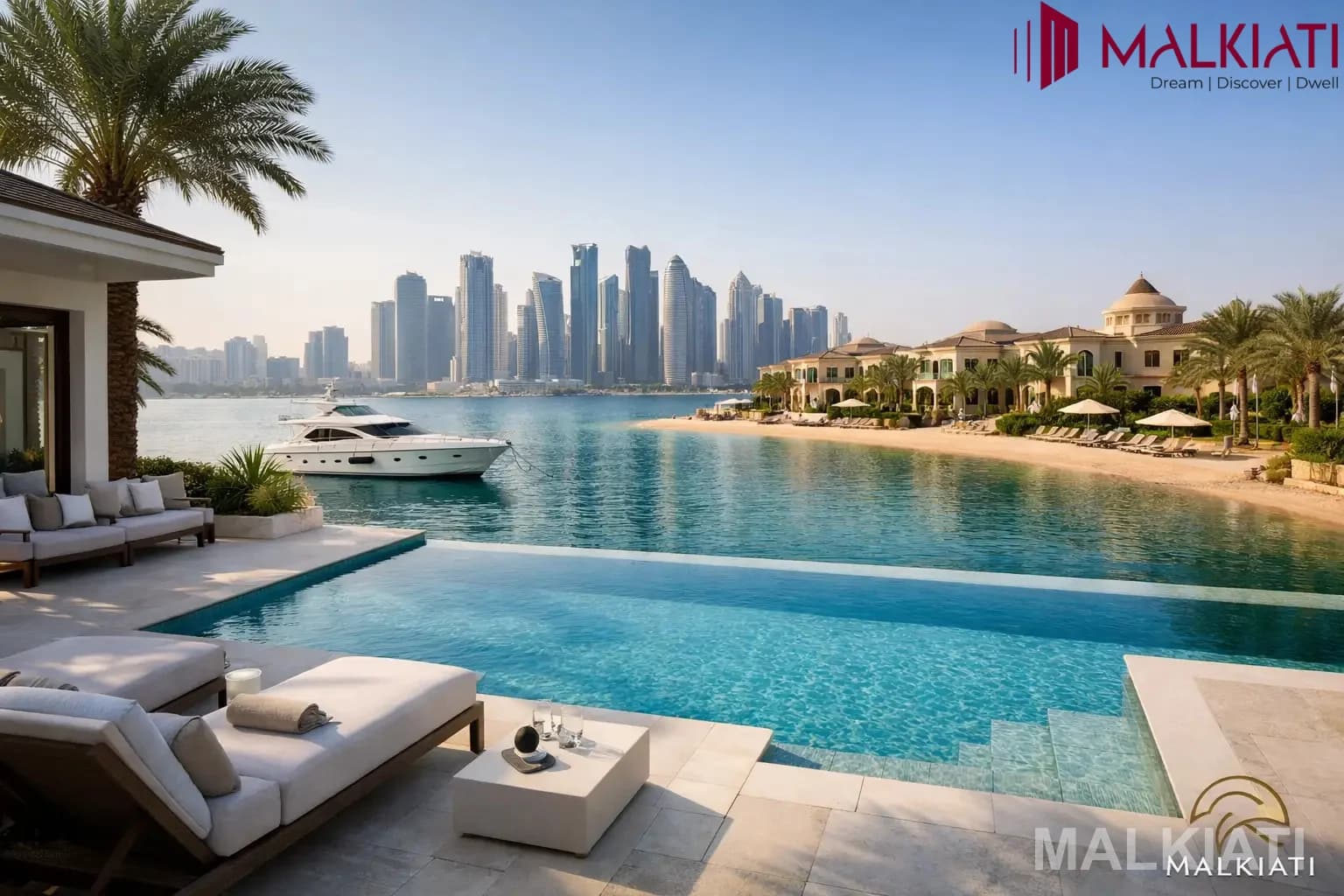
A luxury property for sale in Qatar can mean very different things depending on where you look. In The Pearl, luxury often means waterfront towers, concierge service, and marina views. In Lusail, it may mean newer smart-home layouts, branded residences, and master-planned surroundings. In established Doha neighborhoods, it can mean larger villas, private outdoor space, and easier daily access to schools, business districts, and major roads.
That difference matters because high-end buyers are rarely just shopping by price. They are comparing lifestyle, building quality, long-term value, privacy, and how fast a property fits their actual plan - whether that is moving in, generating rental income, or securing a second home in a prime location.
What defines a luxury property for sale in Qatar?
Luxury is not one fixed category. In Qatar, it usually comes down to a combination of location, finish quality, space, services, and scarcity. A two-bedroom apartment in a premium tower can qualify as luxury if the building, view, and resident amenities are strong enough. The same goes for a waterfront townhouse or a private villa in a high-demand district.
Buyers typically look first at the fundamentals: address, square footage, bedroom count, bathrooms, parking, and whether the property is furnished or vacant. After that, the details begin to separate one premium listing from another. Floor-to-ceiling windows, private beach access, branded interiors, smart systems, high-end kitchens, dedicated staff quarters, and strong building management all influence value.
For investors, luxury also includes marketability. A beautiful unit is not enough if the building has weak occupancy demand, poor maintenance, or an oversupplied micro-location. For end users, comfort and convenience often carry more weight than headline prestige.
Where buyers look first
Qatar's luxury market is concentrated in a few standout areas, but each serves a different buyer profile.
The Pearl
The Pearl remains one of the most recognized destinations for luxury residential property. Buyers come here for waterfront living, retail access, dining, and a clear lifestyle proposition. Apartments dominate much of the inventory, though townhouses and select larger residences also attract attention.
This area suits buyers who want a polished residential environment with visible prestige and strong short-list appeal. The trade-off is that some buyers may find tower living less private than a standalone villa, and service charges can play a larger role in total ownership cost.
Lusail City
Lusail appeals to buyers who want newer stock and a more future-facing urban environment. Many luxury listings here feature modern layouts, smart-home features, contemporary facades, and access to mixed-use districts.
For investors, Lusail can be attractive because newer developments often align with current tenant and buyer preferences. Still, not every project performs equally well. In a fast-growing district, the specific tower, developer reputation, and handover quality matter more than the area name alone.
West Bay and key Doha districts
West Bay and nearby prime districts continue to attract professionals, executives, and buyers who want proximity to business centers. High-rise inventory here can offer strong views, premium facilities, and fast access to commercial hubs.
Established neighborhoods in Doha also appeal to families seeking larger villas, quieter streets, and practical daily living. In these locations, luxury is often less about a branded tower and more about land size, privacy, renovation quality, and neighborhood reputation.
Apartments, villas, and branded residences
The right luxury property type depends on how you plan to use it.
Apartments are often the easiest entry point into Qatar's premium market. They can offer security, amenities, lower day-to-day maintenance responsibility, and strong appeal for professionals or small families. If the unit is in a recognized tower with reliable management, resale and leasing can be more straightforward.
Villas appeal to buyers who value privacy, larger family space, outdoor areas, and flexibility. They work well for owner-occupiers planning a longer stay. The trade-off is that maintenance, staffing needs, and ongoing upkeep can be more demanding than apartment ownership.
Branded and ultra-premium residences sit at the top of the market. These properties are driven by service, exclusivity, and design identity as much as by square footage. They can be compelling for lifestyle buyers, but buyers should still assess practical factors such as service costs, resale depth, and how broad the future buyer pool will be.
What to compare before you inquire
A luxury listing can look impressive in photos and still miss what matters most to your search. That is why serious buyers compare the specifications behind the finish.
Start with the basics: built-up area, number of bedrooms, bathroom layout, parking allocation, furnishing status, and occupancy availability. A fully furnished apartment may be useful if you want immediate move-in readiness or a faster rental setup. An unfurnished property may be better if you plan to customize interiors.
Then move to the operational details. Ask about service charges, building rules, maintenance quality, age of the property, and whether amenities are consistently maintained. In villas, ask about plot size, external condition, maid's room, driver's room, storage, and any upgrades already completed.
Finally, assess the micro-location. Two luxury apartments in the same district can perform very differently based on traffic flow, surrounding views, walkability, retail access, and future nearby development.
Price alone does not tell you value
In the luxury segment, pricing can vary sharply even between similar-looking listings. One property may carry a premium because of its exact tower, floor height, orientation, terrace size, or marina exposure. Another may be priced lower because the layout is less efficient, the property is tenanted under weak terms, or the building has inconsistent upkeep.
That is why buyers should avoid judging value by price per square foot alone. It is useful, but incomplete. A better approach is to weigh price against location quality, usable space, finishing standard, service level, and likely demand if you ever decide to lease or resell.
This is especially relevant in areas with broad inventory. A lower asking price can be a genuine opportunity, or it can reflect a compromise you only notice after closer review.
Buying for lifestyle vs buying for return
Some buyers want a home they can enjoy immediately. Others want a high-performing asset. Many want both, but the balance changes the search.
If lifestyle is the priority, focus on daily fit. That means commute times, nearby schools, privacy level, amenities, view stability, and whether the property feels ready for the way you live. A spectacular unit that creates friction in daily life usually loses its shine quickly.
If return matters more, focus on demand drivers. That includes location strength, tenant appeal, building reputation, layout efficiency, and whether the property stands out in a crowded listing environment. Luxury rentals can perform well, but only when the property matches the expectations of the target tenant profile.
The strongest purchases often sit in the middle - high livability, strong location, and enough market appeal to protect resale or leasing flexibility.
How to search more efficiently
Luxury buyers do not need more listings. They need the right filters.
Start by narrowing your search to location, property type, bedroom count, budget range, and whether you want furnished or unfurnished stock. Then cut further by practical needs such as parking, balcony or terrace, waterfront access, or vacant-on-transfer availability.
It also helps to separate must-haves from nice-to-haves. That one step makes comparison easier and prevents you from overpaying for features that do not materially improve your use of the property.
A trusted marketplace with broad inventory, certified agents, and clear listing details can speed this process significantly. On Malkiati, buyers can compare premium residential options across key Qatar locations without wasting time on scattered search paths or unclear listing quality.
Signs a listing deserves closer attention
The best luxury opportunities are not always the most heavily marketed ones. Often, the strongest listings are the ones that combine a prime location with realistic pricing, complete specifications, and a property condition that matches the asking price.
Look for listings with clear photos, transparent feature details, and enough information to judge fit quickly. If basics such as size, furnishing, parking, and availability are missing, the inquiry process will be slower and less reliable.
Good listings also make the next step easier. You should be able to move from browsing to shortlisting with confidence, not with guesswork.
Luxury buying in Qatar works best when the search stays practical. The right property should feel aspirational, but the decision should stay grounded in facts - location quality, real usability, and market fit. When those three align, finding the right home or investment becomes much faster, and much more rewarding.
- By Team Malkiati
Related Articles
 Market Insights & Trends
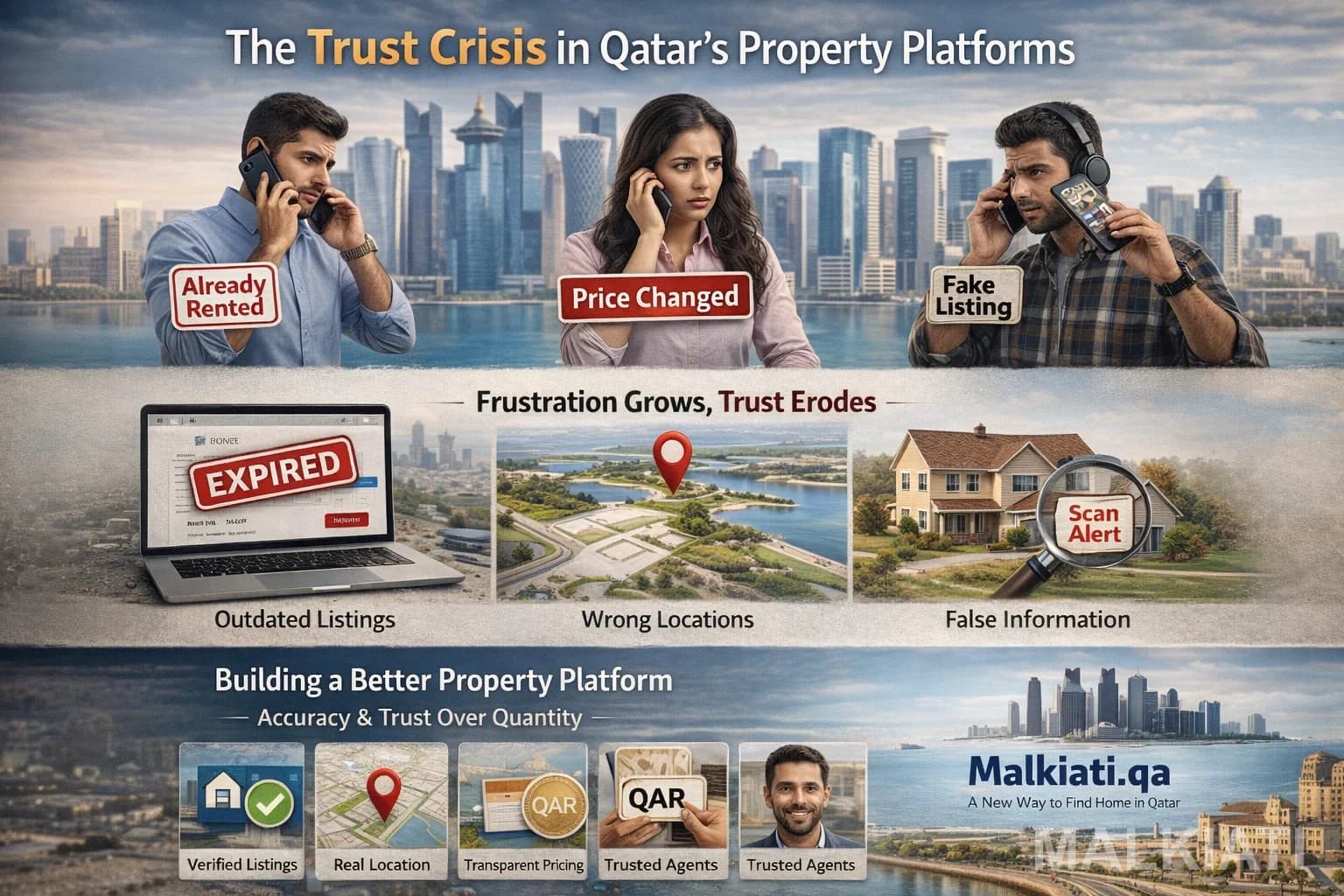
Why Trust Is the Real Missing Layer in Qatar’s Property Platforms
Searching for a home should be an exciting step.For many people in Qatar, it has become a ...
 Market Insights & Trends
Properties for Sale in Lusail Qatar: What to Know
Lusail is where many buyers in Qatar start when they want newer inventory, planned communi...
 Market Insights & Trends
Properties for Sale in Pearl Qatar: What to Know
The difference between a smart purchase and an expensive mismatch in The Pearl often comes...