Furnished vs Unfurnished Apartment Guide
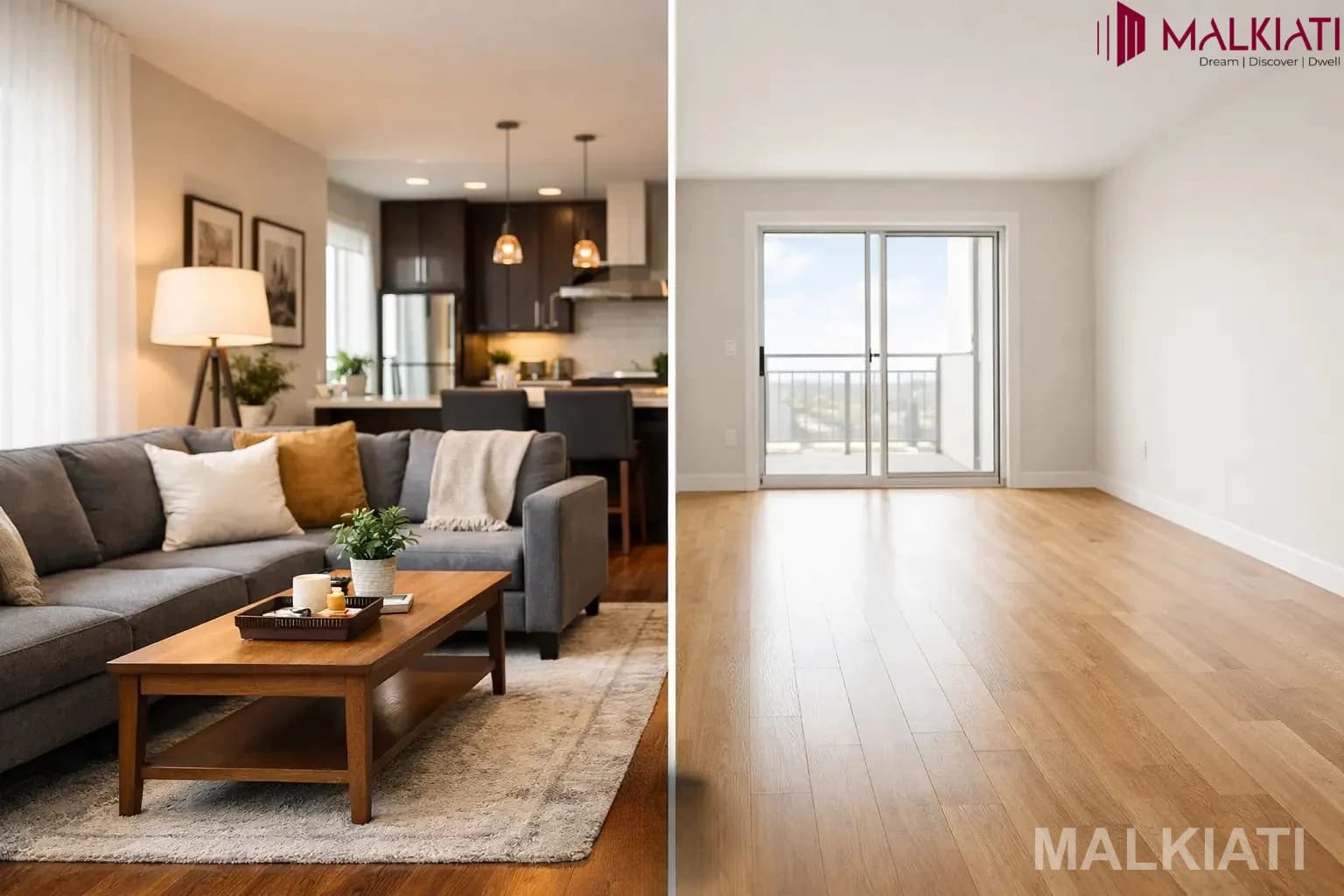
A sofa you did not choose, a bed you did not test, and a rent figure that looks higher at first glance - that is often where the furnished vs unfurnished apartment decision starts. In Qatar, this choice affects more than comfort. It shapes your move-in speed, monthly budget, lease flexibility, and even how easily you can relocate later.
If you are renting in Doha, Lusail, The Pearl, Al Sadd, or other key areas, the right option depends on how long you plan to stay and how much setup you want to handle yourself. A furnished unit can save time and reduce upfront effort. An unfurnished unit can give you more control and often better long-term value. The smarter choice is the one that matches your timeline, budget, and daily routine.
Furnished vs unfurnished apartment: what is the real difference?
A furnished apartment usually includes the essential items needed for daily living. In many Qatar rentals, that means beds, sofas, dining furniture, basic kitchen appliances, curtains, and sometimes smaller items like cookware or televisions. The exact package varies by landlord and building, so furnished does not always mean fully equipped.
An unfurnished apartment is typically offered with the fixed parts of the home only. You can expect built-in kitchen fittings, bathrooms, lighting, and often central air conditioning, but not movable furniture. In some cases, kitchen appliances may be included, but you should never assume that without checking the listing details.
That distinction matters because two apartments with the same bedroom count and location can serve very different renters. One is ready for near-immediate occupancy. The other gives you a blank canvas, but requires more planning before move-in.
When a furnished apartment makes more sense
A furnished unit is often the practical choice for renters who need speed and convenience. If you are relocating for work, arriving from overseas, or staying in Qatar for a limited assignment, fully or semi-furnished apartments can reduce friction from day one. You avoid the time and cost of buying large items, arranging delivery, and setting up an entire home.
This option is also useful if your stay is uncertain. Many professionals, couples, and small families prefer furnished homes when they are still learning the city or testing a neighborhood before committing long term. If you may move again within a year or two, owning less furniture can make that transition easier.
There is also a cash flow benefit in some cases. While the monthly rent is usually higher, your upfront furnishing expense is lower. That can help if you want to preserve savings for school fees, transportation, or other relocation costs.
Still, furnished apartments come with trade-offs. The furniture quality may be average, the style may not match your taste, and wear and tear questions can create friction at move-out. A higher rent can also add up over time, making the convenience premium less attractive for longer stays.
When an unfurnished apartment is the better fit
An unfurnished apartment usually suits renters who expect to stay longer and want more control over their space. If you already own furniture, or plan to build a home that reflects your preferences, this route often makes better financial sense over time.
Monthly rent is commonly lower than a comparable furnished unit in the same building or district. That difference may not look dramatic at first, but over two or three years it can be significant. For families and long-term residents, the savings can outweigh the initial setup costs.
Unfurnished homes also give you consistency. You choose the mattress, dining table, work desk, and storage that actually fit your lifestyle. That matters if you work from home, have children, or simply want a more settled living environment.
The main downside is the effort required at the start. You need to buy, move, assemble, and maintain everything yourself. If you leave Qatar later, you also need a plan for selling, storing, or shipping those items. That extra responsibility is manageable for some renters and unnecessary for others.
Cost is not just about the rent
The biggest mistake in the furnished vs unfurnished apartment decision is comparing rent alone. The better question is total living cost over the full period you expect to stay.
A furnished apartment may cost more per month, but you avoid major purchases. You may also save on delivery fees, setup time, and replacement costs for basic items. If your stay is short, those savings can outweigh the rent premium.
An unfurnished apartment often wins on long-term value, but only if the initial furnishing cost is spread across enough time. If you buy a full apartment setup and leave after eight months, the math may not work in your favor. If you stay for three years, it often does.
There are also hidden costs on both sides. In a furnished unit, ask whether maintenance covers appliance repairs and whether inventory damage will be charged at move-out. In an unfurnished unit, factor in furniture, appliances if needed, transport, and installation. A cheaper rent can stop looking cheap once those costs are added.
What to check in Qatar listings before you decide
Rental terminology can be inconsistent, so details matter. One furnished listing may include everything from a bed to kitchenware. Another may only include large furniture and appliances. One unfurnished apartment may still come with a refrigerator, cooker, and washing machine. Another may not.
That is why serious renters should verify exactly what is included before scheduling viewings or comparing prices. Look at the furniture inventory, appliance list, parking availability, building amenities, and occupancy readiness. Ask whether the photos reflect the actual unit or a sample apartment from the building.
This is especially useful in fast-moving areas where listing volume is high. On a marketplace like Malkiati, practical filters such as furnishing status, location, and price range help narrow options faster, but the final decision still depends on unit-level details.
Furnished vs unfurnished apartment by renter type
If you are a relocating professional on a fixed contract, a furnished apartment is often the cleanest solution. It gets you operational quickly and avoids a large setup burden. If your employer covers housing or part of it, the higher rent may be less of a concern.
If you are a family planning to stay in Qatar for several years, an unfurnished apartment may offer better value and a more stable home environment. Children, routines, and storage needs usually make personalization more important.
If you are a student or young professional on a tighter budget, the answer depends on what cash pressure looks like for you. Lower upfront spending may point toward furnished. Lower long-term rent may point toward unfurnished. There is no universal winner.
If you are an investor reviewing rental demand, both formats can perform well, but they appeal to different tenant pools. Furnished units often attract mobile professionals and short-to-mid-term tenants. Unfurnished units may appeal more to long-term residents seeking lower monthly costs.
Questions worth asking before you commit
Before choosing, ask yourself how long you expect to stay, how quickly you need to move in, and whether you want a temporary base or a more permanent home. Then look at your budget in two ways: what you can afford this month and what the total cost looks like over one to three years.
You should also ask the landlord or agent for specifics. Is the apartment fully furnished or semi-furnished? Which appliances are included? Is maintenance covered? Is there an inventory checklist? Are damaged items charged based on age and condition? Clear answers now can prevent disputes later.
The better choice is the one that fits your timeline
A furnished apartment buys convenience. An unfurnished apartment buys control. Neither is automatically better, and that is exactly why the decision deserves a closer look.
If you need speed, flexibility, and lower setup effort, furnished often makes sense. If you want better long-term value and a space that feels fully yours, unfurnished is usually the stronger move. Start with your timeline, confirm what the listing really includes, and choose the apartment that supports how you plan to live - not just how you plan to move in.
- By Team Malkiati
Related Articles
 Market Insights & Trends
Why Trust Is the Real Missing Layer in Qatar’s Property Platforms
Searching for a home should be an exciting step.For many people in Qatar, it has become a ...
 Market Insights & Trends
Properties for Sale in Lusail Qatar: What to Know
Lusail is where many buyers in Qatar start when they want newer inventory, planned communi...
 Market Insights & Trends
Properties for Sale in Pearl Qatar: What to Know
The difference between a smart purchase and an expensive mismatch in The Pearl often comes...