Commercial Properties for Sale in Qatar

A retail unit on a busy Doha street can look like a clear win until you factor in parking, fit-out costs, and how foot traffic changes after business hours. That is why searching for commercial properties for sale in Qatar is not just about finding available space. It is about finding the right asset for your business model, budget, and timeline.
Qatar offers a wide mix of commercial opportunities, from office space in central business districts to shops in residential catchments and mixed-use developments. For buyers, that creates real upside, but it also means better decisions come from comparing more than price per square foot. Location, access, tenant demand, operating costs, and future resale potential all matter.
How to assess commercial properties for sale in Qatar
The best commercial purchase is rarely the one with the lowest asking price. It is the one that matches your use case with the least friction. A buyer planning to open a business has different priorities from an investor buying for rental income, and those differences should shape the search from day one.
If you are an owner-occupier, start with operational fit. Think about frontage, loading access, customer parking, building services, and whether the layout supports your workflow. A restaurant operator, for example, will assess ventilation, utility capacity, and delivery access very differently from a clinic buyer or a boutique retailer.
If you are buying as an investor, focus first on demand drivers. Ask what kinds of tenants are active in that micro-market, how long similar units stay vacant, and whether the property type is easy to re-lease. A unit that looks attractive on paper may be harder to monetize if its size, format, or location narrows the tenant pool too much.
This is also where listing transparency matters. Clear details on size, parking, occupancy status, furnishing or fit-out condition, and pricing help buyers move faster and avoid wasted inquiries.
The locations that shape demand
Not every commercial district in Qatar serves the same kind of buyer. Some areas are better for visibility and walk-in business, while others are stronger for corporate occupancy, destination retail, or long-term investment positioning.
Doha districts with established business activity
Areas such as Al Sadd and other central Doha districts tend to attract buyers who want mature infrastructure and an active surrounding population. These areas can work well for offices, clinics, service businesses, and street-level retail. The trade-off is that older stock may require more fit-out or modernization, and access can vary significantly from one building to the next.
Growth-led areas like Lusail City
Lusail City appeals to buyers looking at future-forward commercial positioning. Newer developments often offer stronger building specifications, organized master planning, and a cleaner presentation for brands that value image. That said, newer areas can be more sensitive to timing. Some buildings are ready for immediate use, while others depend on broader area occupancy and traffic patterns maturing over time.
Premium mixed-use destinations like The Pearl
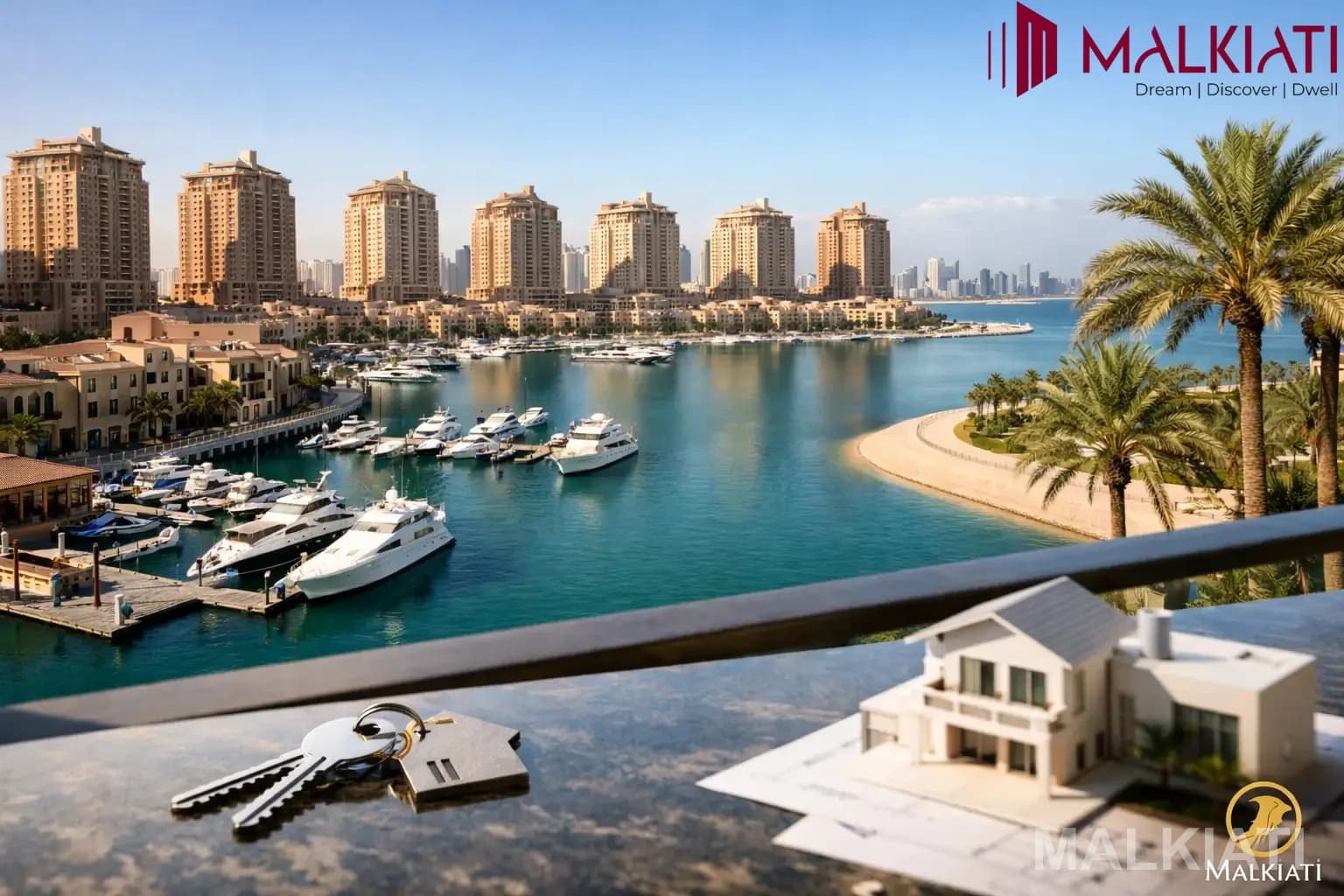
The Pearl attracts brands and investors looking for a premium environment, strong presentation, and lifestyle-driven footfall. Commercial assets here may suit upscale retail, hospitality-adjacent concepts, and service operators targeting residents and visitors. The price point is often higher, so buyers need to be realistic about yield, target customer profile, and whether premium positioning is central to the business.
What smart buyers check before they commit
When reviewing commercial properties for sale in Qatar, headline price should be only one part of the picture. The more useful question is total cost to operate and activate the property.
Fit-out can quickly change the economics of a deal. A shell space may offer flexibility, but it also means more capital upfront and a longer runway before the property starts generating revenue. A fitted space may reduce setup time, but the existing layout might not suit your needs, which can lead to rework costs anyway.
Parking is another detail buyers underestimate. For office users, reserved parking can influence tenant retention. For retail and service businesses, customer parking can directly affect sales. Even a strong location loses value if access is frustrating.
Occupancy status matters too. A vacant unit gives an owner-occupier a clearer path to launch, while a leased asset may suit an investor seeking immediate income. Neither is automatically better. It depends on whether your priority is operational control or yield from day one.
Then there is compliance and building suitability. Commercial use categories, signage permissions, utilities, common area standards, and service charges should all be reviewed carefully. A property that looks ready in photos may still require approvals, upgrades, or changes before it can support your intended use.
Buying for your own business vs buying as an investment
These two paths often get mixed together, and that can lead to the wrong purchase.
For business owners, the right property supports revenue. You are buying exposure, convenience, customer experience, and room to operate. That may justify paying more for visibility, frontage, or a better surrounding tenant mix.
For investors, the right property supports dependable leasing. You are looking at the stability of the tenant base, likely lease terms, re-leasing risk, and long-term resale appeal. A visually impressive asset is not always the better investment if it is over-positioned for the local demand profile.
There are also hybrid buyers - people who plan to occupy now and lease later, or investors who want a property flexible enough for multiple business types. In those cases, adaptability becomes a major advantage. Open layouts, practical access, and broadly usable configurations tend to hold up better over time than highly specialized formats.
Why listing quality makes a real difference
Commercial search moves faster when information is complete. Buyers do not want to chase basic facts across multiple contacts just to understand whether a property is viable.
A high-value listing should make it easy to compare square footage, price, location, parking, current condition, and availability. Photos should help assess frontage, entry, and fit-out reality rather than just appearance. For busy investors and business owners, this level of detail reduces friction and improves decision speed.
That is also why marketplace structure matters. Platforms that centralize listings from developers, certified agents, companies, and direct owners make comparison easier. Instead of searching in fragments, buyers can assess more inventory in one place and narrow down options by actual business needs. For users looking for efficient access to commercial opportunities, that convenience is a practical advantage, not just a nice feature.
Common mistakes buyers make in Qatar's commercial market
One common mistake is buying based on broad area reputation instead of property-level suitability. A strong district does not guarantee a strong unit. Access, visibility, frontage, and neighboring occupancy can vary dramatically within the same location.
Another is underestimating activation costs. Buyers may focus on purchase price and miss what it will take to make the property usable, compliant, and competitive. This matters even more for businesses with specialized infrastructure needs.
Some buyers also overestimate rental upside. Expected yield should be based on current market realities, not best-case assumptions. If similar units are taking time to lease or pricing is under pressure, that should influence negotiations and return expectations.
Finally, rushing due diligence creates avoidable risk. Commercial property is less forgiving than residential when the format is wrong. A mismatch in access, services, or permitted use can affect both revenue and resale.
A practical way to narrow the search
Start with use, not just location. Define whether you need office, retail, showroom, mixed-use, or another format. Then set non-negotiables such as size range, parking needs, fit-out condition, occupancy status, and budget.
After that, compare locations based on customer access, tenant demand, and how quickly the asset could become productive. A slightly more expensive property in the right micro-market can outperform a cheaper option that sits idle or requires heavy upgrades.
If you are using a marketplace such as Malkiati, the advantage is speed and visibility. You can compare trusted listings across key areas, review practical property details, and move toward inquiry with less guesswork. For buyers who value verified market access and a more direct route to the right opportunity, that saves time at the stage where time matters most.
Qatar's commercial market offers real opportunity for buyers who stay disciplined. The strongest move is not chasing every available listing. It is choosing the property that fits your business or investment plan cleanly, with fewer compromises and clearer upside.
- By Malkiati
Related Articles
 Market Insights & Trends
Why Trust Is the Real Missing Layer in Qatar’s Property Platforms
Searching for a home should be an exciting step.For many people in Qatar, it has become a ...
 Market Insights & Trends
Properties for Sale in Lusail Qatar: What to Know
Lusail is where many buyers in Qatar start when they want newer inventory, planned communi...
 Market Insights & Trends
Properties for Sale in Pearl Qatar: What to Know
The difference between a smart purchase and an expensive mismatch in The Pearl often comes...